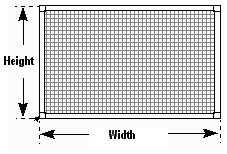
Measuring for replacement window screens is a straightforward process when you know exactly what dimensions and details to look for. Whether you’re replacing an old screen, ordering a custom window screen, or trying to identify the right screen for a particular type of window, accurate measurements are essential for getting the proper fit. This guide covers the basics of how to measure window screens along with some of the most common window and screen styles you may encounter.
Measuring Your Existing Window Screens
If you already have an old window screen, the easiest way to determine the size you need is to measure the existing screen frame.
When taking your measurements, keep the following guidelines in mind:
Measure width first, then height. Window screen dimensions are normally listed as Width x Height.
Measure to the nearest 1/16 inch. Accurate measurements help ensure your replacement screen fits properly.
Measure the outside edge of the screen frame. Do not measure the screen mesh itself.
Measure near the corners. Older screen frames can sometimes bow or flex in the middle, so measurements taken near the corners are generally more reliable.
Record the location of any hardware. Make note of springs, clips, lift tabs, latches, or other attachment hardware, including which side or corner they are located on.
Measure the frame thickness and width. A common window screen frame size is 5/16″ x 3/4″, but frame dimensions can vary depending on the manufacturer and application.
It is also helpful to take a photo of the existing screen and its hardware before removing it. This can make it easier to identify how the replacement screen needs to be configured.
Measuring Single Hung Window Screens
Single hung windows typically open from the bottom, with the lower sash moving upward while the upper sash remains stationary. These windows are commonly made from aluminum, although vinyl single hung windows are also widely available. A typical single hung half-window screen covers the lower portion of the window. Depending on the window design, the screen may install on the exterior of the window in tracks located along the top and bottom.
Common attachment hardware can include leaf springs, tension springs, or ram horn clips along the top of the screen, with lift tabs located along the bottom. Some newer vinyl single hung windows use screens that install from the interior rather than the exterior. Because screen designs and attachment methods can vary between manufacturers, it is important to identify how your existing screen is installed before ordering a replacement.
Measuring Horizontal Slider Window Screens
Horizontal slider windows open by moving from side to side rather than vertically. These windows are commonly made from aluminum, although vinyl versions are also available. A typical horizontal slider half-screen covers either the left or right portion of the window when viewed from the outside. The screen generally installs in tracks located along the left and right sides of the window. Depending on the design, the screen may use tension springs or leaf springs on one side and lift tabs on the opposite side.
When measuring a horizontal slider screen, be sure to identify which side the screen occupies when viewed from outside the window. Also note the location of all springs, clips, tabs, and other hardware. This information can be just as important as the overall width and height when ordering a replacement.
Measuring Full-Size Window Screens
Double hung windows open from both the top and bottom. Full-size screens for these windows typically cover the entire window opening and may include a horizontal crossbar for additional strength, particularly on larger screens. Double hung windows can be constructed from aluminum, vinyl, or wood. Older wooden windows may operate differently and may only open from the bottom.
Screen attachment hardware can vary significantly depending on the age and manufacturer of the window. Common hardware includes leaf springs, butterfly latches, slide latches, and spring plungers. These components may be located along the top, sides, or other areas of the screen frame. When replacing a full-size screen, carefully record the location and type of any existing hardware. Even if two screens appear to be the same size, differences in hardware placement can affect whether the replacement screen will install properly.
Measuring Screens for Wood Windows
Wood windows may use specialized screen hardware that differs from the systems commonly found on aluminum or vinyl windows. One common setup uses wire loops attached to the bottom of the screen frame. These loops hook over ball-head screws installed in the windowsill to hold the bottom of the screen in place.
The top of the screen may be secured using hardware commonly referred to as Jiffy Hangers with Nails. If you have an older wood window, carefully examine how the existing screen is attached before taking measurements. Photographing the hardware and its location can be helpful when determining how the replacement screen should be configured.
Don’t Forget the Screen Hardware
Getting the width and height correct is only part of measuring for a replacement window screen. The attachment hardware is also important.
Before ordering, make note of:
Springs and their locations
Lift tabs
Clips
Latches
Spring plungers
Ram horn clips
Wire loops
Other mounting hardware
Hardware Tension SpringsLeaf SpringsRam Horn ClipsSpring PlungerWire Loops (Woord Hardware)Butterfly LatchSlide LatchAcorn Turn Latch
If possible, record the hardware location by measuring its distance from the edge of the screen frame. This can provide additional information when determining the proper configuration for your replacement screen.
Measure Carefully Before Ordering
Replacement window screens come in many different sizes, frame styles, and configurations. Even windows that look similar can use different screen dimensions or attachment methods. Taking a few extra minutes to carefully measure your existing screen can help prevent ordering the wrong size or configuration. Remember to measure the frame rather than the mesh, measure near the corners, record your dimensions to the nearest 1/16 inch, and document any hardware attached to the screen.
If you are measuring a window opening because you do not have an existing screen, the measurement process may be different from measuring an existing frame. Be sure to follow the appropriate measuring instructions for the type of screen you are ordering.
Need Help With Your Window Screen Project?
We provide these how-to guides to offer helpful information and practical tips for measuring, ordering, and installing window screens, solar screens, roll-away retractable window and door screens, porch and patio screening systems, and other DIY screening projects. Every window and door is different, and we cannot see your specific application. Ultimately, you are responsible for determining the measurements, hardware, and other specifications needed for your project.
If your project does not seem to match the information provided in our guides, or if you are unsure how to proceed, please contact us. We are happy to provide guidance when possible and help you better understand the options available for your screening project.


 It is also helpful to take a photo of the existing screen and its hardware before removing it. This can make it easier to identify how the replacement screen needs to be configured.